Back to all News
 World Mental Health Day 2024: It Is Time To Prioritise Mental Health In The Workplace
Share this:
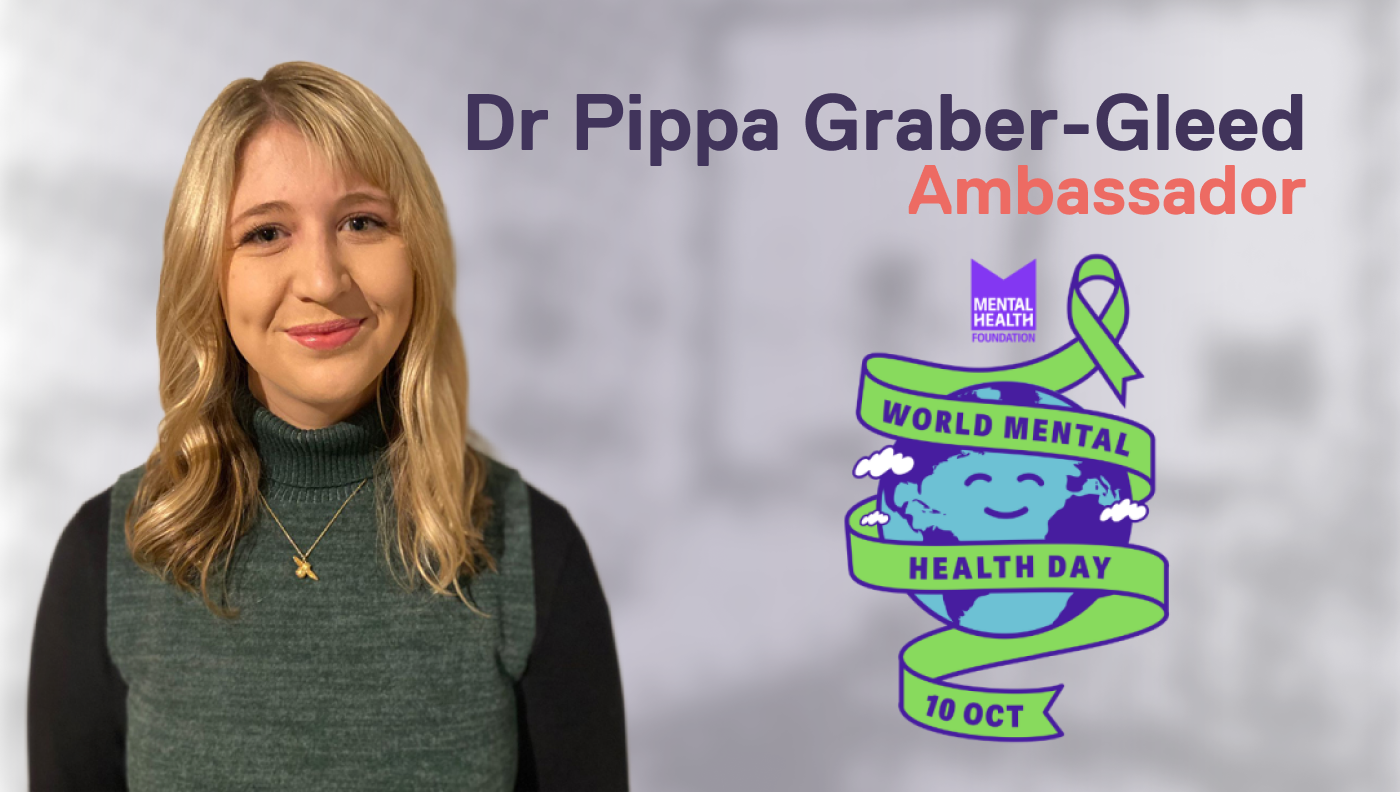
World Mental Health Day 2024
The theme for World Mental Health Day 2024 is, “It is time to prioritise mental health in the workplace”. This seems a particularly relevant theme for the NHS given the complexities and stressors inherent to our roles and work environment that can often precipitate or perpetuate poor mental wellbeing and burnout.
So, how do we achieve a workplace where mental health is “Prioritised, Protected and Promoted”?
Prioritised:
This raises an interesting question: what do you think are the priorities of your workplace? When I was considering this, my instinctual responses focused on patient and care outcomes, which I imagine would be common for those of us in clinical roles. Often, altruism is a key virtue in healthcare workers, but this can be detrimental to our own wellbeing. So, I wonder if this theme has an even deeper meaning for us this year, in allowing and empowering us to prioritise ourselves; our wellbeing and that of our colleagues. Ultimately, we know that a healthy, positive work environment benefits not only staff, but patients as well.
Protected and Promoted:
The NHS can often be an isolating environment to work in, with service pressures, rotational training and engrained hierarchy. However, mental wellbeing in the workplace is everyone’s responsibility and affects everyone.
Workplaces and teams thrive when individuals feel a sense of belonging, value and respect. Some might be experiencing unknown troubles or difficulties but a smile or a kind word can have a huge impact and is a simple way to build togetherness. On this, how often do you get beyond the routine, “how are you doing?”, “Yeah, I’m fine, you?” platitudes?
I want to challenge you to deepen these conversations and seize the chance to get to know who you’re working with. After all, for many, the amount of time we spend at work can make it feel like our second home. I know, at times at the mercy of gruelling rotas, it’s felt like I’ve seen colleagues more than my own family and friends! This makes it even more important to be present, to notice and ask how each other are doing.
Writing this also comes in the wake of the recent evocative BMJ cover, “Preventing Doctor Suicide: Why we need action now”, highlighting just how real and prevalent the impact of mental health is on our profession. When “help” can be the hardest word to say, these conversations and being receptive to the small cues (the tired/quiet/withdrawn/not quite themself colleague) mean more now than ever. Be inquisitive, be persistent, be kind.
Whilst there is a wealth of support available for anyone struggling, stigma, shame and other reasons may make access difficult. Making yourself aware of and promoting support available both on a local scale and national resources can help normalise and encourage others to access. It’s okay to not be okay.
Overall, I want to empower you to nurture your workplace by being open, prioritising time to connect, asking the question of yourself and others, “You, Okay Doc?”
Dr Pippa Graber-Gleed
YOD Ambassador